
Levee’s Struggle for Musical Authority
Ma Rainey's Black BottomThis thread follows Levee’s effort to establish himself as an innovator, as the band’s working hierarchy and Ma’s control repeatedly restrict his ambitions.
increasing Bearing strength in each event
 decreasing
Bearing strength in each eventdecreasingThe Rehearsal Challenge
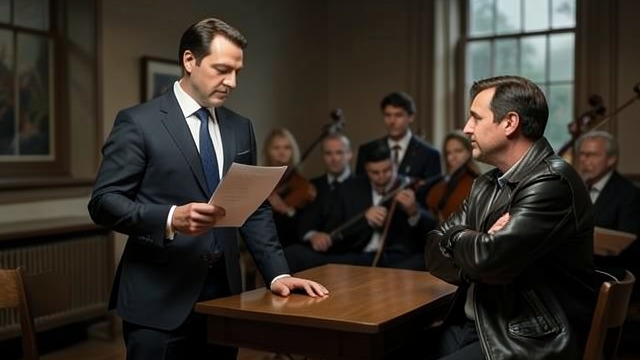
A New Arrangement Meets the Band
Levee Claims Creative Space
Levee argues that his version of “Ma Rainey’s Black Bottom” should be rehearsed because Irvin has selected it. He sees the arrangement as evidence that his musical ideas matter, and presents the band’s reluctance as resistance to his talent.
Cutler Defends the Working Order
Cutler answers that Levee is there to play Ma’s music, not to decide what the group rehearses. Their argument is about more than one arrangement: Cutler protects a durable band hierarchy, while Levee seeks recognition beyond his hired role.
The Label’s Apparent Approval
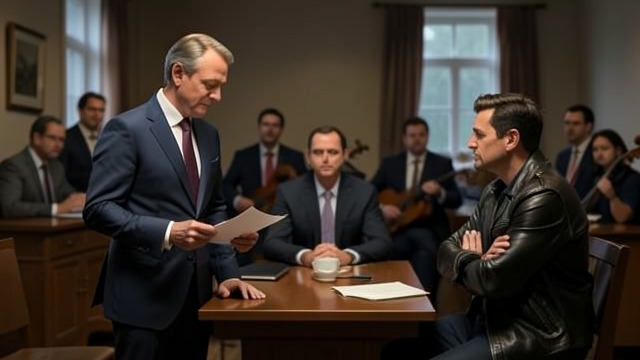
Authority from Above
Levee Gets His Way
Irvin confirms that Levee’s arrangement will be used. Levee treats the decision as proof that the band should follow his lead, while Cutler stresses that Ma—not Irvin or Levee—ultimately decides what she will sing.
A Victory Without Security
The musicians proceed with Levee’s version, but his position remains precarious. He has won permission to try an arrangement, not control over the session. The distinction becomes clear when Ma later rejects the version and asserts her own authority.
The Nephew’s Introduction
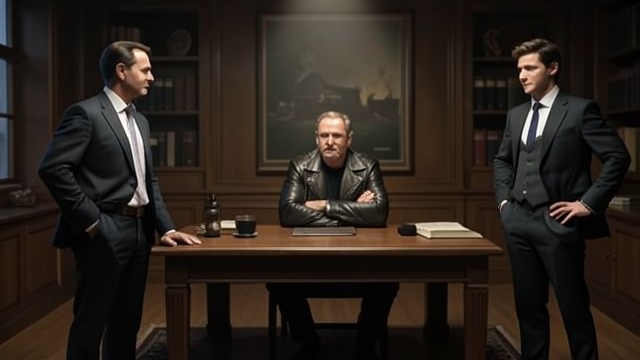
Levee Loses the Song
Ma Chooses Her Version
Ma tells the musicians that Sylvester will deliver the introduction to her version. Levee protests that the old opening will not appeal to northern audiences, but Cutler insists that the band follows Ma’s instructions.
The Limits of Levee’s Influence
Levee’s claim to musical expertise does not give him authority over the singer or the ensemble. He threatens to quit, yet the other musicians continue without him. His creative ambition is left exposed: the arrangement may be his, but the record belongs to Ma’s performance.
The Improvisation Rebuke
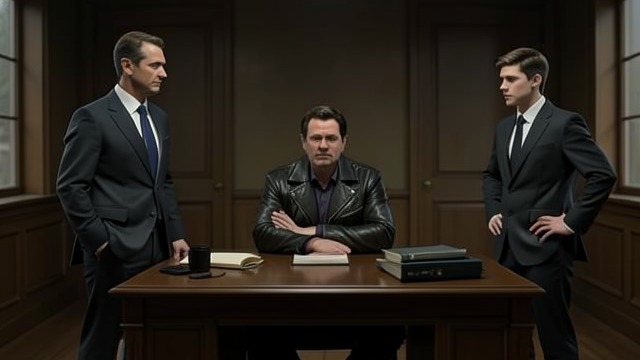
Levee’s Playing Is Rejected
Notes Outside the Song
Ma tells Levee that he played too many notes and failed to follow the way she sang the song. Levee defends his playing as improvisation, but Ma says it disrupted her ability to hear and perform the music.
A Final Authority Dispute
Cutler reinforces that the session concerns Ma’s music, not Levee’s independent musical statement. Levee refuses the distinction and insists that he knows what he is doing. Ma fires him, turning a disagreement over style into a decisive break with the band.
The Unheard Songs
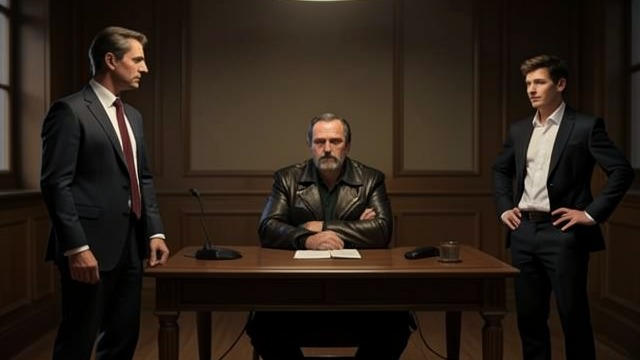
A Career Offer Withdrawn
Levee Seeks a Recording Deal
After the session, Levee asks Sturdyvant about the songs he has written. He explains that he has assembled musicians and believes his music can attract listeners who want something different from the band’s established style.
Innovation Meets the Company’s Terms
Sturdyvant refuses to record the songs and offers only five dollars apiece to buy them. Levee rejects the offer, insisting the songs need to be heard with him performing them. The exchange leaves his ambitions without institutional backing and exposes how little control he has over the company’s decision to invest in his work.
Early in the afternoon, during the band’s first rehearsal
After Irvin confirms the arrangement during rehearsal
After Ma brings Sylvester into the band room
After the recorded songs are completed
After the band receives its pay
